




 EN
EN  FR
FR  ES
ES  PT
PT  RU
RU  FA
FA 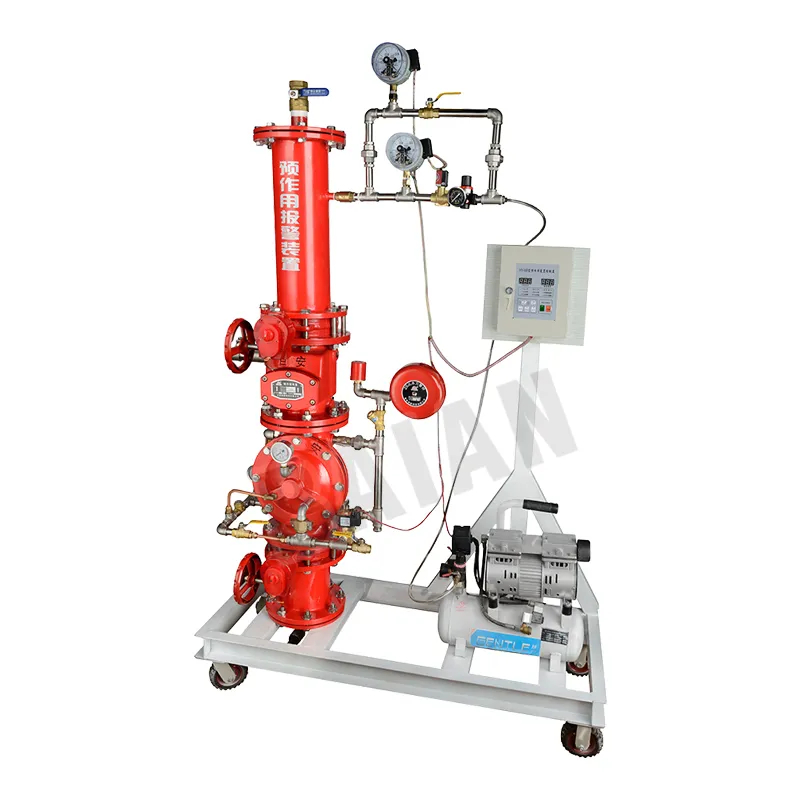

- When the fire alarm sounds, a set of valves quietly converts the previously gas-filled pipelines into a water-filled fire suppression system. This is a crucial preparation made by the pre-action alarm device before a fire occurs.
The pre-action alarm device is the core component of the pre-action system, consisting of a pre-action alarm valve and its piping accessories. In its standby state, the pipeline is typically filled with low-pressure air or nitrogen (maintained at 0.03-0.05 MPa) for real-time monitoring of pipeline sealing integrity.
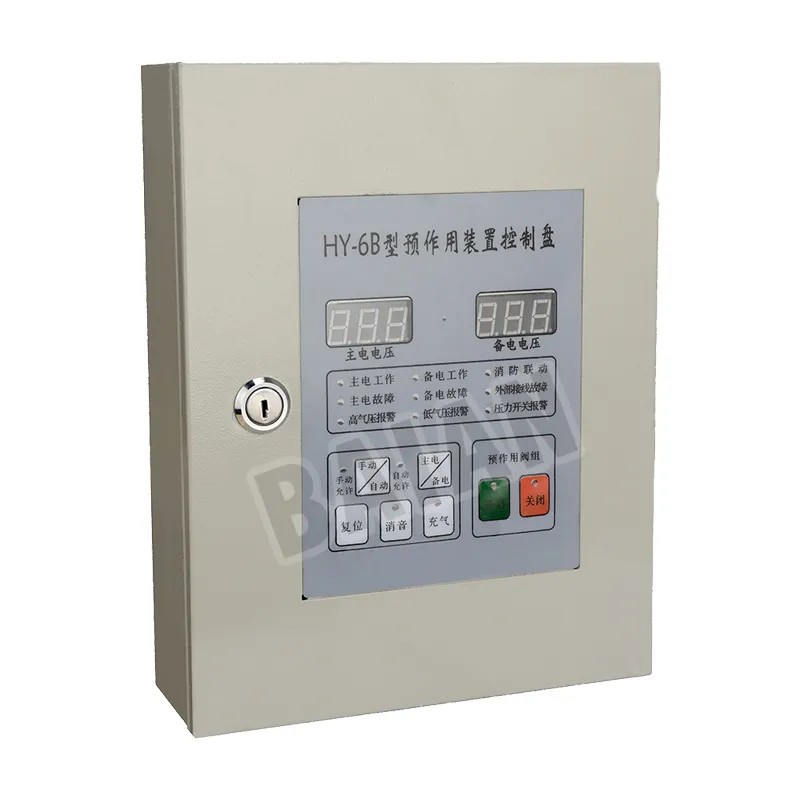
When a fire occurs, the heat and smoke detectors installed in the protected area first issue an alarm signal. Upon receiving the signal, the controller issues a command to open the pre-action valve, allowing water to enter the pipeline network, and the system quickly switches from a dry to a wet system.
01 Core Value: Smart Protection
The core value of the pre-action alarm device lies in its dual protection mechanism and preventative approach.
It effectively combines automatic fire detection and alarm technology with an automatic sprinkler system, providing dual protection for the protected object. This design philosophy embodies the wisdom of “just in case,” ensuring firefighting efficiency while minimizing the risk of water damage.
This system is specifically designed for locations where water-based firefighting is necessary but non-fire-related water leakage is absolutely unacceptable. Traditional wet systems always have water-filled pipes, and accidental spraying or pipe damage can cause severe losses. In contrast, pre-action systems have water-free pipes under normal conditions, fundamentally avoiding these problems. Compared to dry systems, it avoids the problem of delayed water spraying due to exhaust, resulting in a faster fire response.
02 Working Principle: Precision Design with Triple Verification
The pre-action alarm device operates through a precise multi-signal interlocking control mechanism, ensuring activation only in the event of a real fire. In accordance with the “Design Code for Automatic Sprinkler Systems,” the system employs a triple signal verification mechanism.
The first and second level signals must originate from two different fire detectors, ensuring accurate fire detection. The third level signal requires triggering by the breakage of the sprinkler bulb or a pressure switch. Only when all three signal conditions are met will the system open the water-filling channel.
This rigorous control logic significantly reduces the risk of misoperation, making it particularly suitable for locations with extremely high waterproofing requirements. Once the fire detector sends a signal, the alarm valve assembly activates the water filling channel, and the system completes water filling of the pipeline network within 3 minutes.
03 Technological Innovation: An Upgrade from Auditory to Visual Alarms
The 2024 utility model patent brought significant improvements to the pre-action alarm valve assembly, adding a strobe light component to form a dual audio-visual alarm mechanism with the hydraulic alarm bell.
When the water flow impacts and triggers the piston plate displacement, the strobe light head is activated by the contact between the positive and negative magnets. Combined with the traditional hydraulic alarm bell, this achieves a more comprehensive warning function.
The innovative design also includes driving the light head to rotate via a helical gear transmission system, achieving multi-angle strobe warning and enhancing the visual warning effect. These improvements not only enhance the reliability of the alarm but also enable the system to effectively transmit warning information in noisy or limited-view environments.
04 Application Scenarios: Fire Guardians in Special Environments
Pre-action alarm devices are mainly deployed in two types of high-risk locations: low-temperature storage facilities and environments protecting valuable goods.
- In low-temperature environments, such as underground garages in cold regions and buildings without heating in winter, traditional water-filled systems are prone to freezing and failure, while pre-action systems can operate normally.
- In libraries, archives, museums, valuables storage rooms, computer rooms, and other locations where precious collections, important documents, or expensive equipment have extremely high requirements for water resistance. Pre-action systems provide fire extinguishing capabilities while minimizing water loss caused by non-fire-related factors.
Technical Parameters
| Model Specifications | ZSFY100 | ZSFY150 | ZSFY200 | ZSFY250 |
| Nominal Diameter (mm) | DN100 | DN150 | DN200 | DN250 |
| Product Height (mm) | 585 | 680 | 840 | 930 |
| Rated Working Pressure (MPa) | 1.2 | 1.2 | 1.2 | 1.6 |
| Number of Screws and Hole Diameter (mm) | 12xΦ26 | 12xΦ26 | 12xΦ26 | 12xΦ26 |