




 EN
EN  FR
FR  ES
ES  PT
PT  RU
RU  FA
FA News
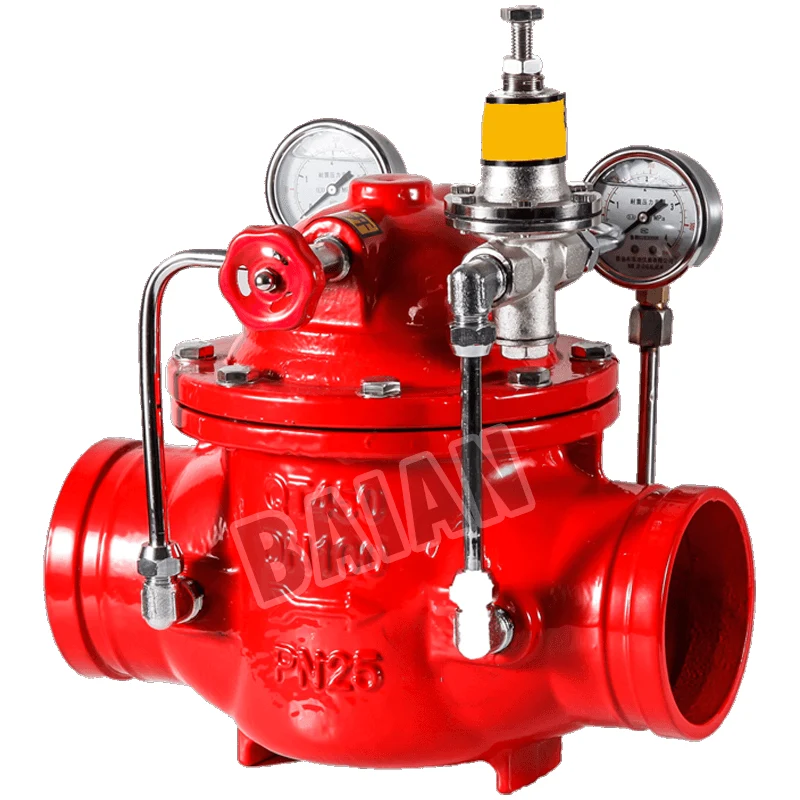
Our Expert 8-Step Guide: How to Replace a Water Pressure Reducing Valve in 2025
November 19, 2025
Abstract A water pressure reducing valve (PRV) is a fundamental component for maintaining the safety and longevity of plumbing systems in both residential and commercial properties. This device automatically reduces high, and often fluctuating, inlet pressure from municipal water mains to a lower, more consistent and manageable downstream pressure. The failure of a PRV can manifest through various symptoms, including water hammer, fluctuating pressure, leaks at the valve, or elevated water bills, posing a significant risk to pipes, fixtures, and appliances. The replacement process, while technically detailed, is a systematic procedure that involves diagnosing the failure, preparing the workspace, safely…
A 5-Step Practical Guide on How to Loosen a Fire Hydrant Valve Safely
November 5, 2025
Abstract This document provides a comprehensive and detailed examination of the procedures required to safely and effectively loosen a resistant fire hydrant valve. It begins by establishing a foundational understanding of fire hydrant mechanics, distinguishing between dry and wet barrel designs, and identifying the common causes of valve seizure, such as corrosion, debris accumulation, and improper operation. The core of the analysis is a five-step methodology, presented as a practical guide for operators. This process encompasses initial safety assessments, the application of proper techniques with standard tools, advanced methods for particularly stubborn valves, and critical post-operation checks. The discussion emphasizes…
An Expert’s Guide to How a Fire Hydrant Valve Works: 5 Key Mechanisms Explained for 2025
October 31, 2025
Abstract The fire hydrant stands as a ubiquitous yet often misunderstood component of urban infrastructure, vital for emergency fire suppression. An examination of its internal workings reveals a sophisticated mechanical system designed for reliability and safety. This article explores the operational principles of fire hydrant valves, focusing on the two predominant designs: the dry barrel and the wet barrel hydrant. It details the sequence of events initiated by a firefighter's wrench, from the rotation of the operating nut to the vertical travel of the stem rod, which unseats the main valve deep underground. This action permits high-pressure water to charge…
Expert Guide: 7 Scenarios When Are Fire Safe Valves Required for API 607 Compliance
October 29, 2025
Abstract The specification of fire-safe valves represents a foundational principle in industrial process safety, particularly within environments handling flammable, toxic, or high-energy media. This analysis examines the conditions under which such valves are mandated by regulations, industry standards, and risk management protocols as of 2025. The inquiry focuses on the performance criteria defined by standards like API 607, which subjects valves to intense fire conditions to verify their capacity to maintain pressure-bearing integrity and limit leakage after the degradation of soft seals. The investigation delineates the critical applications for these components across sectors including oil and gas, chemical processing, power…
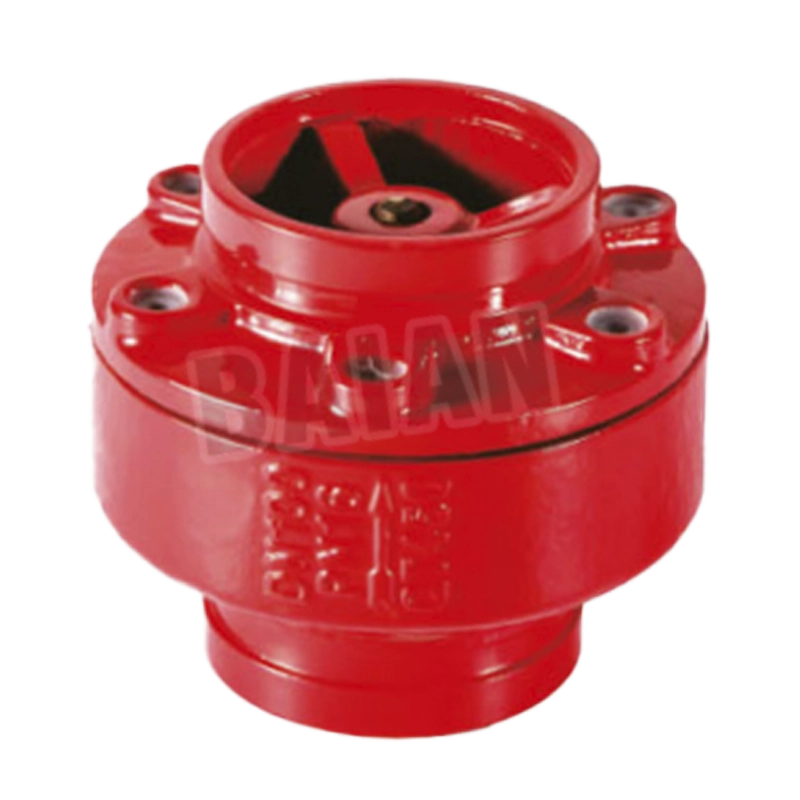
Expert Guide 2025: What is a Fire Safe Valve & 5 Key Selection Criteria
October 24, 2025
Abstract A fire safe valve is a specialized industrial component engineered to maintain its pressure-containing integrity and prevent significant leakage of flammable or hazardous fluids during and after a severe fire. Its design philosophy centers on a failsafe mechanism, typically involving a secondary, fire-resistant seat that engages after the primary, softer seat material is destroyed by extreme heat. This ensures the valve can still perform its basic isolation function, preventing the feeding of a fire and mitigating the risk of catastrophic escalation. The performance of a fire safe valve is validated through rigorous testing standards, most notably API 607, which…
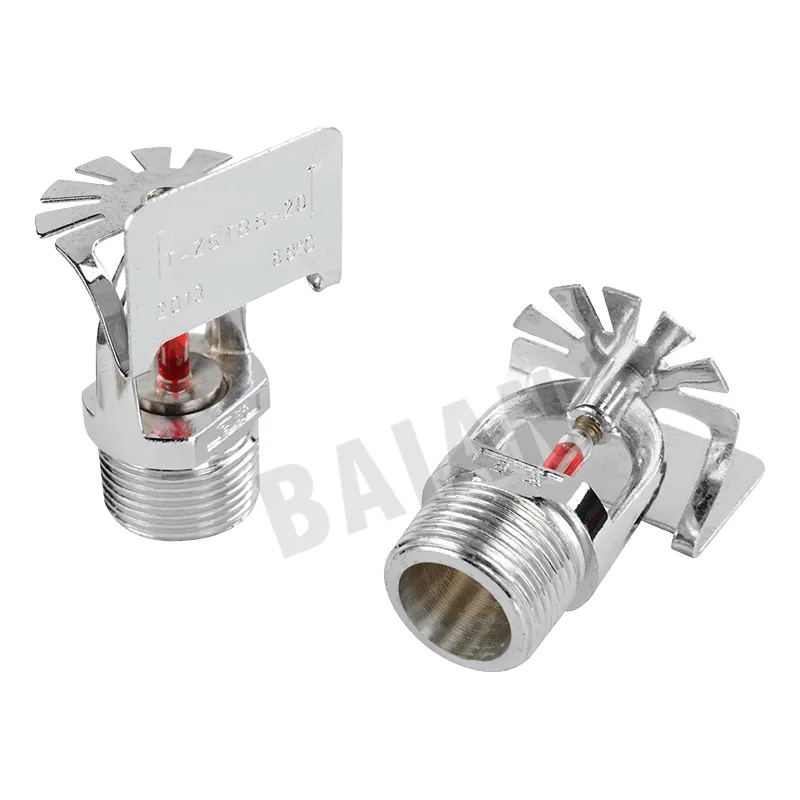
3 Core Functions Explained: How Does a Fire Sprinkler System Valve Work?
October 21, 2025
Abstract A fire sprinkler system valve is a foundational component of automated fire suppression infrastructure, serving as the primary regulatory and control mechanism for the water supply. Its operation is predicated on three principal functions: the control of water flow, the prevention of water system contamination, and the initiation of alarms. The valve assembly, often located in a system riser, maintains the system in a state of readiness, either holding water under pressure directly in the piping network (wet pipe systems) or holding it behind a clapper maintained by pressurized air (dry pipe systems). Upon activation of a sprinkler head…

Bai’an Fire Protection Technology Makes a Splendid Debut at the 21st China International Fire Protection Exhibition
October 20, 2025
Technology empowers fire protection, innovation leads the future. Bai’an Fire Protection connects global customers with professional products and services. The 21st China International Fire Protection Equipment and Technology Exchange Exhibition was successfully held at the China International Exhibition Center (Shunyi Pavilion) in Beijing from October 13 to 16, 2025. The theme of this exhibition was “Technology Empowers Practical Operations, Boosts Industry Development, and Serves Fire and Rescue.” Over 1,200 exhibitors from over 40 countries and regions participated, covering a total exhibition area of 150,000 square meters. As a “barometer” and “wind vane” of China’s fire protection industry, the China International Fire…
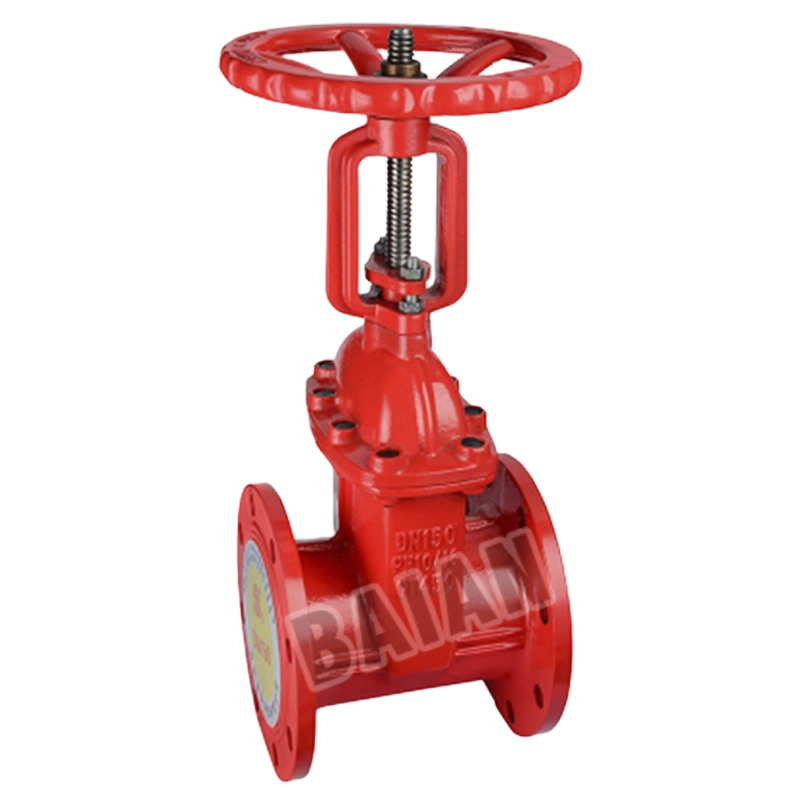
An Expert’s 2025 Guide: How Do Fire Sprinkler Valves Work? A Look at 4 Critical Types
October 17, 2025
Abstract An examination of fire sprinkler systems reveals the fire sprinkler valve as a central component, acting as the primary regulator for water release during a fire. These valves are designed to remain closed under normal conditions, holding back a pressurized water supply, and to open automatically in response to signals indicating a fire. The operational mechanics hinge on principles of pressure dynamics and thermal activation. Four principal types of valves dominate the field: wet alarm, dry pipe, deluge, and pre-action valves. Each is engineered for specific environmental conditions and risk levels, from heated commercial buildings to unheated warehouses and…
Expert Analysis: Can a Leaking Valve Cover Gasket Cause a Fire? 5 Critical Dangers & Proven Solutions
October 15, 2025
Abstract An investigation into the causal link between a leaking valve cover gasket and the potential for a vehicle fire reveals a significant and often underestimated risk. This analysis establishes that while the gasket itself is not flammable, its failure permits engine oil—a combustible fluid—to escape onto extremely hot engine components. The primary ignition vector is the exhaust manifold, which regularly operates at temperatures far exceeding the autoignition point of motor oil. When oil makes contact with this surface, it can vaporize and ignite without an open flame, leading to a sudden and aggressive engine bay fire. This document examines…
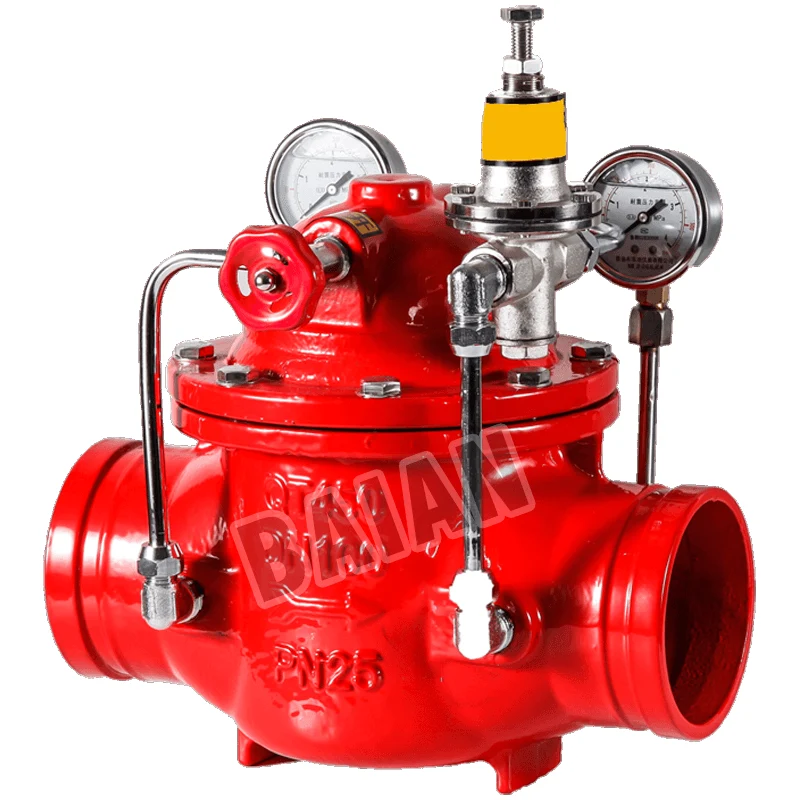
An Expert’s 2025 Guide: What is a Pressure Reducing Valve and Why Your System Fails Without One
October 11, 2025
Abstract A pressure reducing valve is an autonomous hydraulic regulator that converts high, often fluctuating, inlet pressure from a water source into a lower, stable downstream pressure, irrespective of variations in upstream pressure or flow demand. In the context of fire protection engineering, its function is paramount. Unregulated high pressure can compromise system integrity, leading to catastrophic failures such as burst pipes, damaged sprinkler heads, and ineffective water delivery. This can render a fire suppression system useless during an emergency. The valve operates on a principle of equilibrium, using a spring-loaded diaphragm or piston to sense downstream pressure and modulate…