




 PT
PT  EN
EN  FR
FR  ES
ES  RU
RU  FA
FA For facility managers, safety officers, and procurement professionals, the question of fire alarm system inspection is more than regulatory compliance—it directly impacts life safety, property protection, and operational continuity. Regular inspections ensure that every component of a fire alarm system functions correctly, from detection devices to control panels and monitoring connections.
A thorough inspection identifies failing detectors, degraded wiring, or software anomalies before they cause critical system failures. For example, in a manufacturing plant or warehouse, an uninspected fire alarm system could fail to alert occupants or emergency services during an actual fire, resulting in catastrophic losses. In the following sections, we examine why regular inspections matter, how commercial organizations can optimize inspection schedules, and best practices for selecting reliable inspection and monitoring services.
Understanding Fire Alarm System Inspection
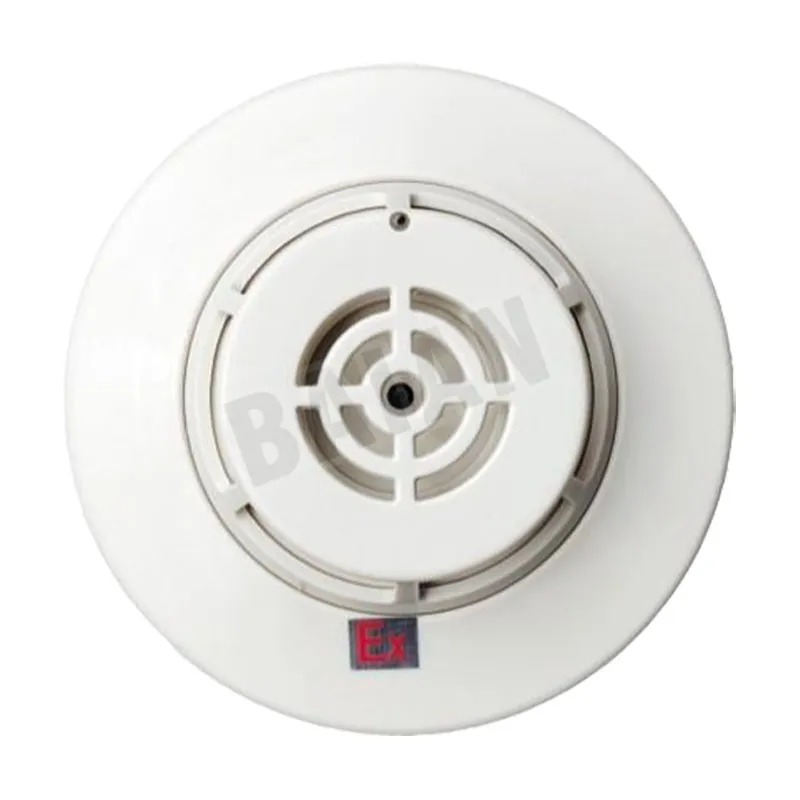
Fire alarm system inspection is a structured process where certified professionals evaluate all elements of a fire protection system to verify correct operation. The inspection typically involves testing detectors, notification devices, control panels, communication modules, and backup power supplies.
By conducting inspections at recommended intervals, businesses reduce downtime caused by false alarms and ensure compliance with national and local fire codes. Moreover, inspections help identify components that may require replacement or preventive maintenance, extending the life of the system.
Organizations offering commercial fire alarm monitoring services can integrate inspection reporting with monitoring, providing a seamless approach to system reliability and regulatory compliance.
Key Components Checked During a Fire Alarm System Inspection
A professional inspection covers multiple system layers. Each layer contributes to the overall effectiveness of fire detection and response:
- Smoke and heat detectors
- Manual pull stations
- Audible and visual notification devices
- Fire alarm system control panel functionality and software diagnostics
- Communication links to monitoring centers
- Backup power supplies and batteries
- Wiring, conduits, and mechanical integrity
Understanding fire alarm system components is essential for inspection teams to systematically check each critical device. Neglecting any component may leave blind spots that compromise overall fire safety.
How Often Should Fire Alarm Systems Be Inspected?
Regulatory guidelines, industry standards, and manufacturer recommendations guide inspection frequency. Common best practices include:
- Weekly visual inspections of control panels and devices
- Quarterly functional tests of alarms and detectors
- Annual comprehensive inspections covering all devices, wiring, and backup systems
While smaller facilities may manage simple weekly checks internally, industrial complexes and high-rise commercial buildings typically rely on certified service providers to conduct detailed inspections. Scheduling consistent inspections reduces the risk of costly non-compliance penalties and ensures that systems perform reliably when needed.
Comparing Manual vs. Automated Inspection Methods
Inspection methods vary depending on facility size, system complexity, and monitoring capabilities.
Manual inspections involve certified personnel testing each device individually, logging results, and performing corrective actions. This approach provides detailed verification but may be labor-intensive.
Automated inspection tools and integrated monitoring software allow remote verification of system status, often alerting teams to potential issues before physical failures occur. Combining manual and automated inspections can enhance both reliability and efficiency.
| Inspection Method | Coverage Level | Pros | Cons |
|---|---|---|---|
| Manual | High | Detailed, hands-on verification | Labor-intensive, time-consuming |
| Automated/Remote | Medium to High | Fast, continuous monitoring | May miss mechanical issues |
| Hybrid Approach | Very High | Combines advantages of both | Requires investment in technology |
Selecting a Reliable Inspection and Monitoring Partner
When choosing an inspection partner, facility managers should consider:
- Certification and experience in commercial and industrial environments
- Familiarity with local fire codes and standards
- Ability to provide integrated reports and recommendations
- Access to ongoing commercial fire alarm monitoring services
- Response capability for urgent repairs and preventive maintenance
Working with a trusted provider ensures that inspections are thorough, compliant, and actionable. This reduces downtime and enhances overall building safety.
Common Challenges and How to Address Them
Even well-maintained systems face operational challenges:
- Aging components and outdated technology
- Human error in manual testing
- Environmental factors such as dust, humidity, or temperature extremes
- Inconsistent documentation or missing inspection logs
Addressing these challenges requires a combination of regular inspections, preventive maintenance, staff training, and leveraging monitoring technologies. An inspection provider can help identify weak points and recommend cost-effective upgrades to maintain compliance and performance.
Integrating Fire Alarm Inspections into Facility Management
For large industrial or commercial facilities, fire alarm inspections should not be a standalone activity. Integrating inspections into broader facility management programs allows organizations to track maintenance schedules, component replacements, and system performance metrics.
This integration supports risk management, insurance compliance, and operational continuity. By consolidating inspection data, decision-makers can prioritize maintenance actions, forecast replacement budgets, and demonstrate regulatory compliance during audits.
If your organization is evaluating inspection and monitoring solutions, professional guidance can help ensure your fire alarm system operates at peak reliability.
Contactar-nos
Frequently Asked Questions
Q1: How often should commercial fire alarm systems be inspected?
Visual checks are recommended weekly, functional tests quarterly, and full inspections annually, following local fire codes and manufacturer guidance.
Q2: What is included in a typical fire alarm system inspection?
Inspections cover smoke and heat detectors, manual pull stations, notification devices, control panel functionality, communication links, and backup power systems.
Q3: Can inspections prevent false alarms?
Yes, inspections identify faulty detectors, wiring issues, and environmental interferences, reducing false alarms.
Q4: Do inspections differ for industrial versus commercial facilities?
Yes. Industrial environments often require more frequent and thorough inspections due to harsher operating conditions and higher regulatory scrutiny.
Q5: How do I select a qualified inspection service?
Look for certified professionals, experience in your industry, compliance with fire codes, and integrated monitoring capabilities.
Why Baian Is Your Trusted Partner in Fire Safety
Baian provides professional fire alarm inspection services designed for commercial and industrial clients. Our team combines technical expertise, industry experience, and comprehensive service offerings to ensure your fire alarm systems operate reliably and comply with all regulations. By partnering with Baian, businesses gain peace of mind knowing their fire safety infrastructure is continuously optimized for safety, compliance, and operational efficiency.
References
- Wikipedia, “Fire alarm system”
https://en.wikipedia.org/wiki/Fire_alarm - National Fire Protection Association (NFPA), “NFPA 72: National Fire Alarm and Signaling Code”
- U.S. Fire Administration, “Fire Safety in Commercial Buildings”
https://www.usfa.fema.gov