




 FR
FR  EN
EN  ES
ES  PT
PT  RU
RU  FA
FA 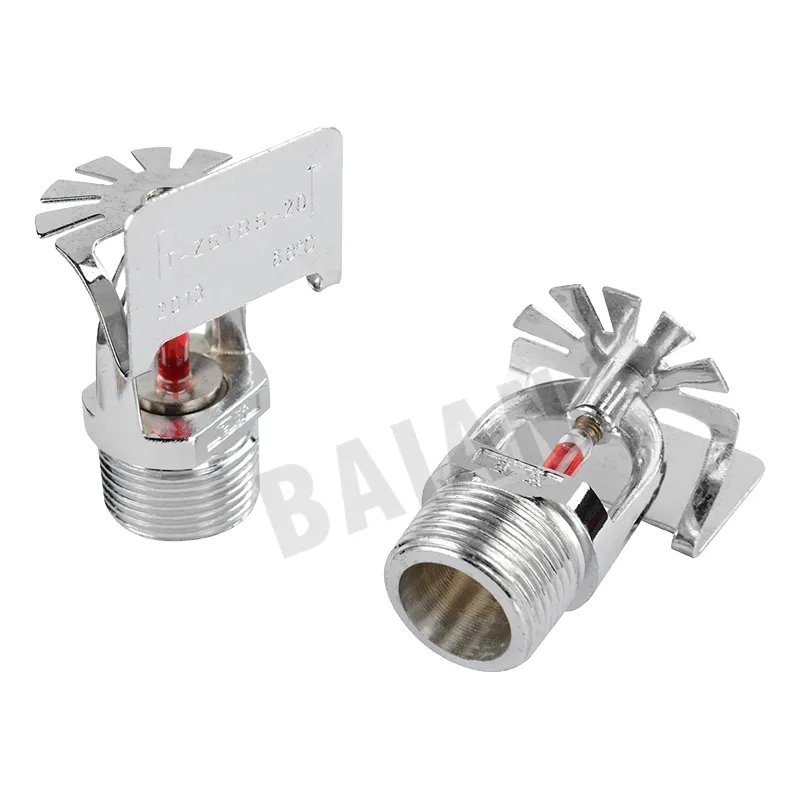
- When a fire alarm sounds, the automatic sprinkler system is often the first to activate, buying crucial time for evacuation and fire control.
- Automatic sprinkler systems are recognized worldwide as the most effective self-rescue fire suppression system, boasting advantages such as safety, reliability, cost-effectiveness, and high fire extinguishing success rate. The sprinkler head is the most basic and critical component of this system, known as a “silent sentinel” with dual functions of fire detection and extinguishing.
01 The “First Responder” for Fire Safety
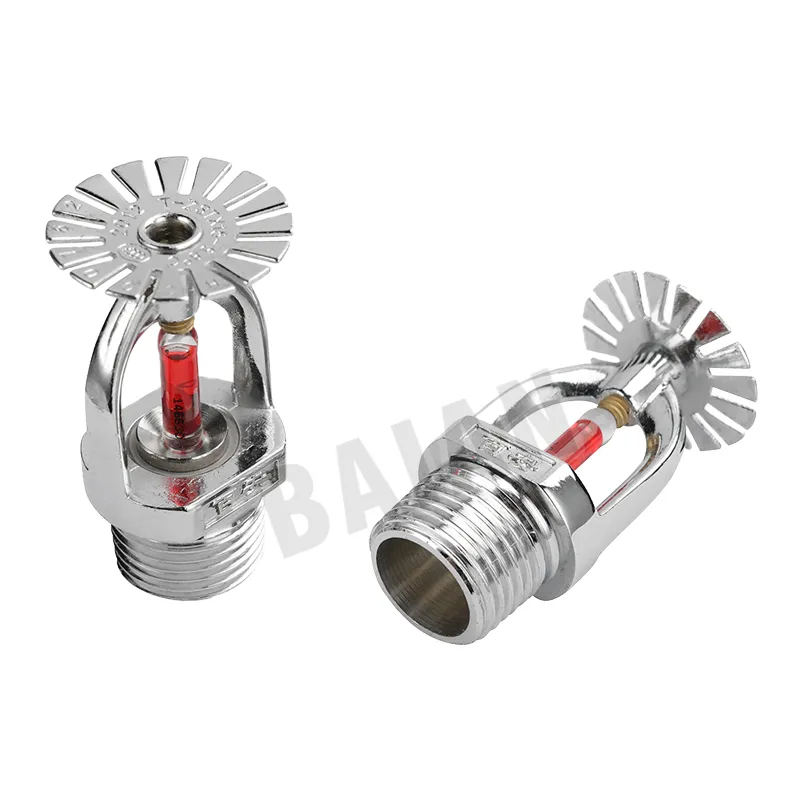
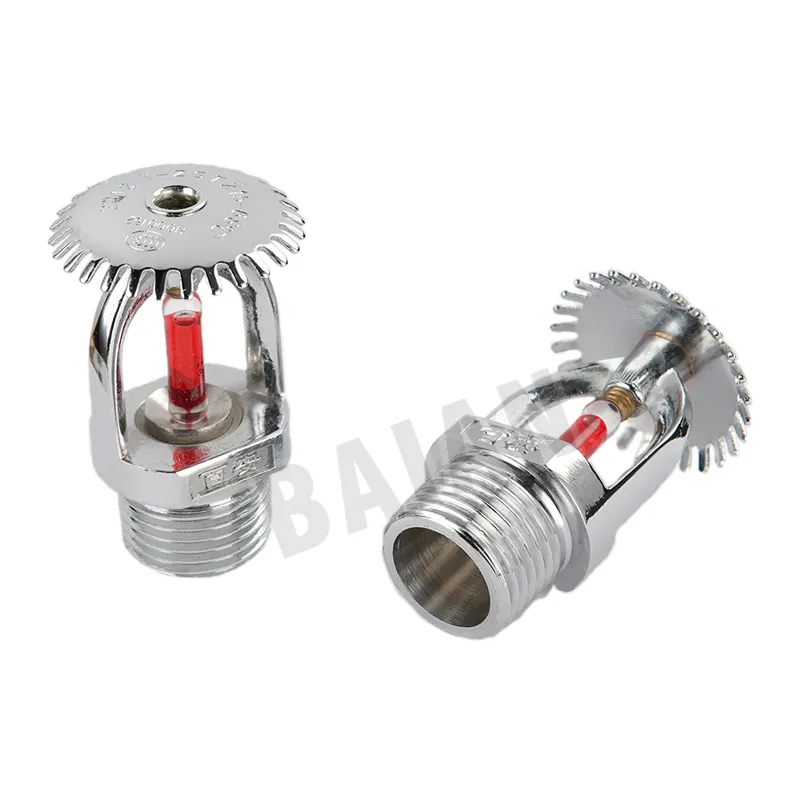
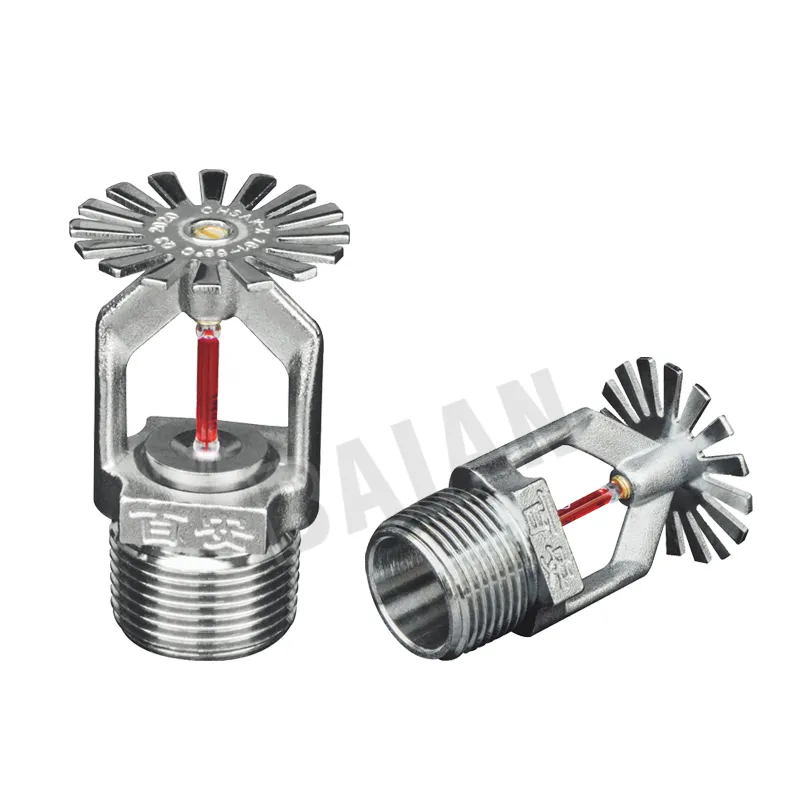
- Sprinkler heads, commonly called spray heads, have the core responsibility of detecting fire and responding promptly. According to national standards, it is a device that automatically activates within a predetermined temperature range under heat, spraying water according to a designed pattern and flow rate to extinguish the fire.
- It is not only the terminal for water spraying but also the starting point for fire detection. Closed-type glass bulb sprinkler heads activate through an internal heat-sensitive glass bulb, integrating detection and extinguishing functions.
- Its core working principle lies in a sophisticated heat-sensitive element. Taking the most common glass bulb sprinkler head as an example, its interior is filled with an organic solvent with a high coefficient of thermal expansion. At room temperature, the glass bulb can withstand a certain amount of support, sealing the nozzle.
- When a fire occurs and the ambient temperature rises to its rated operating temperature (such as the common 68℃ or 93℃), the liquid inside the bulb expands, generating enormous pressure, causing the glass bulb to rupture, thus opening the water path for fire suppression.
02 How to Identify a Qualified Sprinkler Head
- The quality of a qualified sprinkler head directly affects the reliability of the entire automatic fire suppression system. According to the national mandatory standard GB 5135.1-2019, a sprinkler head needs to pass more than 30 rigorous performance tests to ensure it can work accurately and effectively in critical moments.
- When selecting and identifying sprinkler heads, pay attention to the following key points:
- First is the temperature rating. The color of the liquid inside the sprinkler head’s glass bulb corresponds to different rated operating temperatures; for example, orange represents 57℃, red represents 68℃, and green represents 93℃, etc.
- When selecting a sprinkler head, ensure its operating temperature is approximately 30°C higher than the highest expected temperature of the installation environment to prevent accidental spraying.
- Secondly, consider the flow coefficient (K-value). This determines the sprinkler head’s water output per unit pressure; common values are K=80 and K=115. A higher K-value results in a larger water volume at the same pressure, suitable for locations requiring greater protection.
- Finally, consider the installation type and material. Depending on the installation location (ceiling or no ceiling), choose pendant, upright, or sidewall sprinkler heads. Simultaneously, the main frame should be constructed from high-quality materials such as corrosion-resistant copper alloys to ensure long-term stability.
03 A Key Line of Defense for Life and Property
- In shopping malls, hotels, office buildings, warehouses, data centers, and other locations, ceiling-mounted sprinklers form the most widespread and fundamental passive fire safety network.
- Its core value lies in providing automatic, immediate, and localized fire response. In the early stages of a fire, sprinklers can automatically activate, accurately extinguishing or controlling the fire at the ignition point, preventing its spread into a major disaster. Statistics show that locations equipped with qualified automatic sprinkler systems have an extremely high fire suppression success rate, minimizing casualties and property damage.
- A seemingly simple sprinkler head actually integrates the wisdom of materials science, precision manufacturing, and fire protection engineering. Its reliable operation relies on meticulous attention to every step, from production and selection to installation and routine maintenance.
- Therefore, choosing products that meet national standards and have passed stringent certifications (such as 3C certification), and ensuring proper installation and maintenance by professionals, is fundamental to ensuring the robust reliability of this “lifeline.”